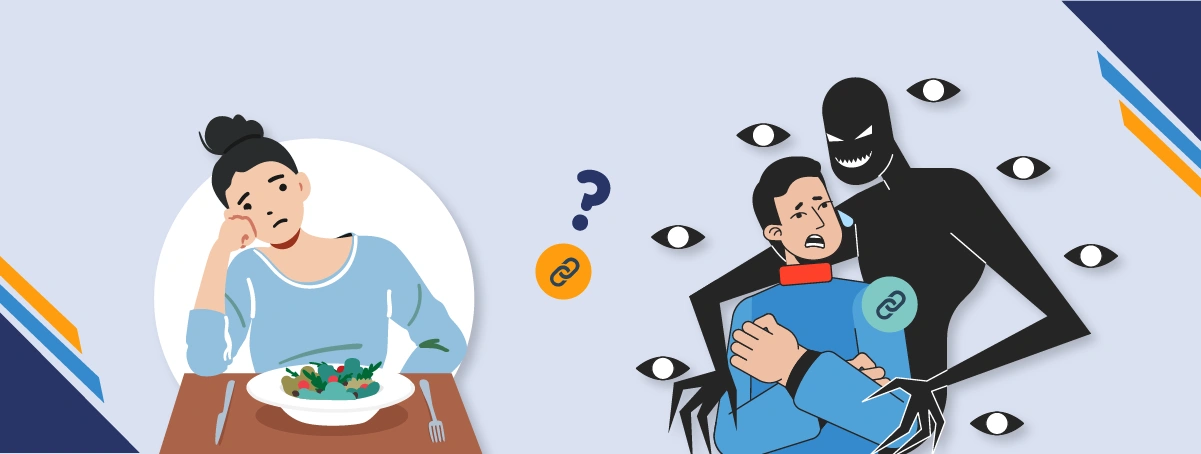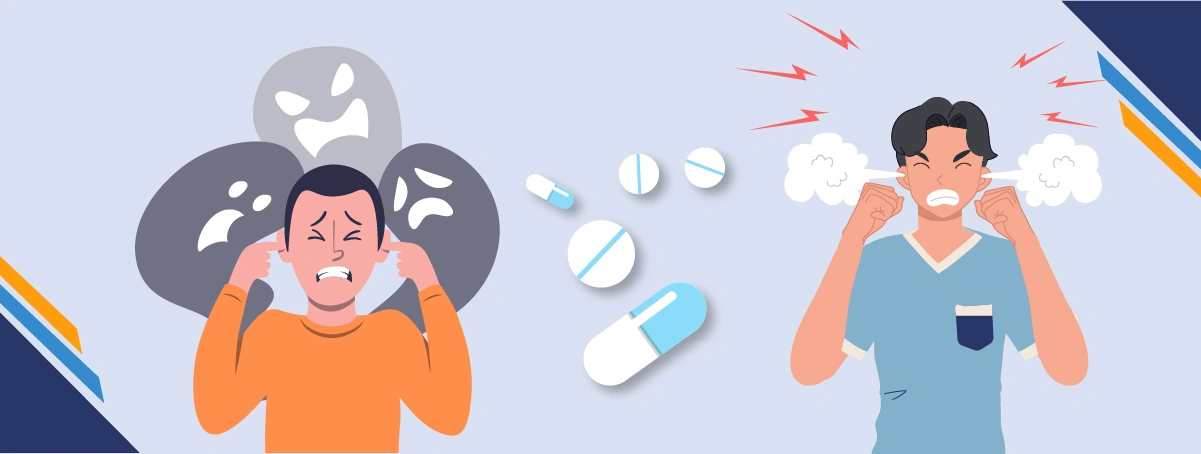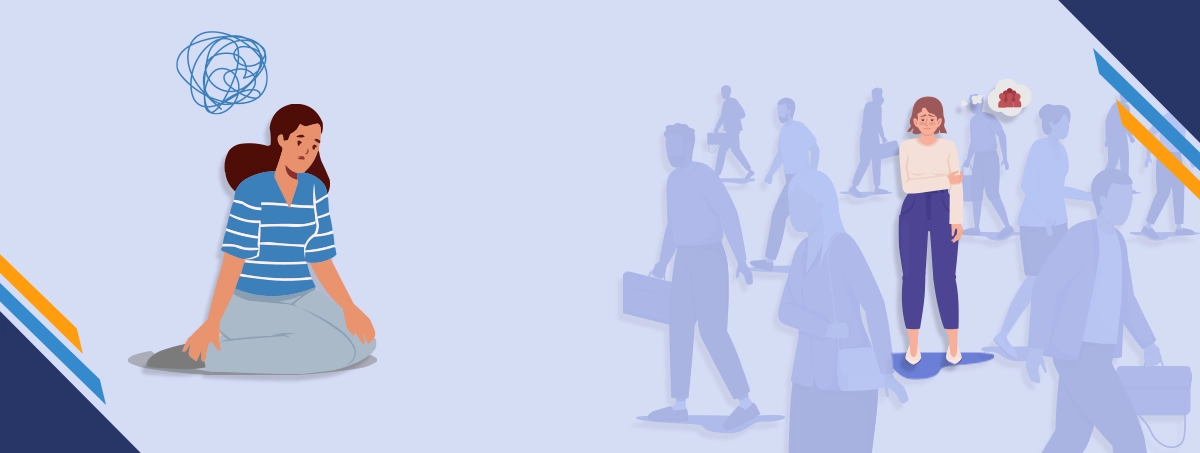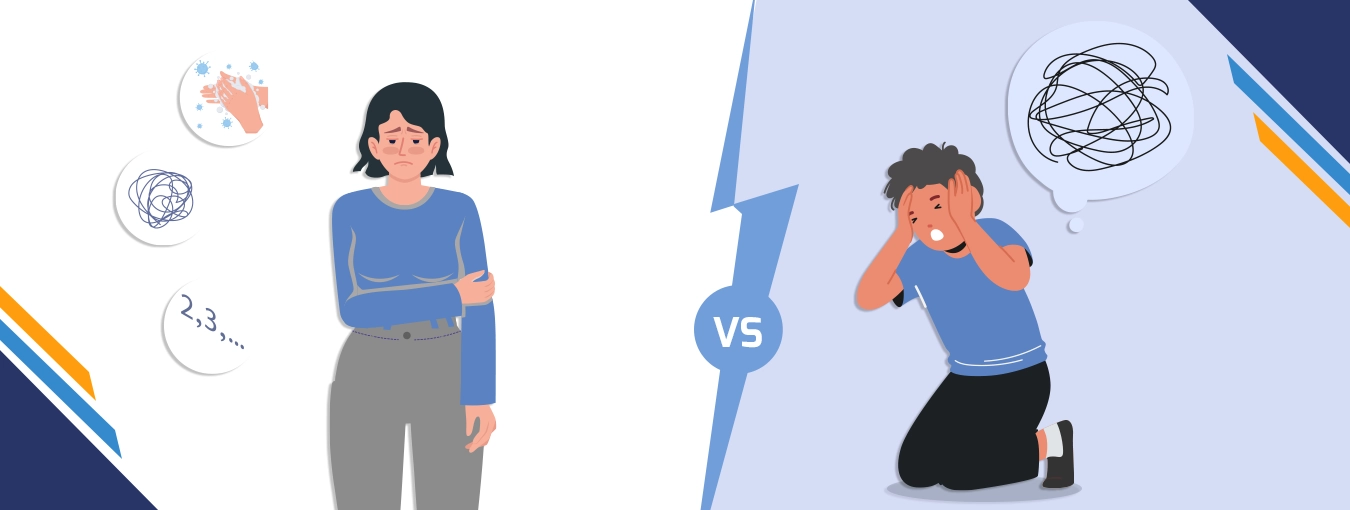


Attention-deficit/hyperactivity disorder (ADHD) is a neurodevelopmental condition that often arises in childhood or adolescence. ADHD neurodivergence helps us to understand the diversity of human thinking and behaviour. Each individual fits into the spectrum of neurodiversity, no matter how they interact with the world.
Let’s uncover the link between ADHD and Neurodivergence.
What Does Neurodiversity Mean?
Neurodiversity is the way a person thinks and processes knowledge. Neurodiversity refers to the concept that neurological differences, including dyslexia, autism spectrum disorder (ASD), ADHD, and others, are normal variations of the human brain. These differences are part of the diversity of human cognition and should be recognized and respected. People with neurodivergent conditions aren’t less intelligent, but they face difficulties functioning in a world that’s been structured for neurotypical individuals.
Is ADHD Neurodivergent?
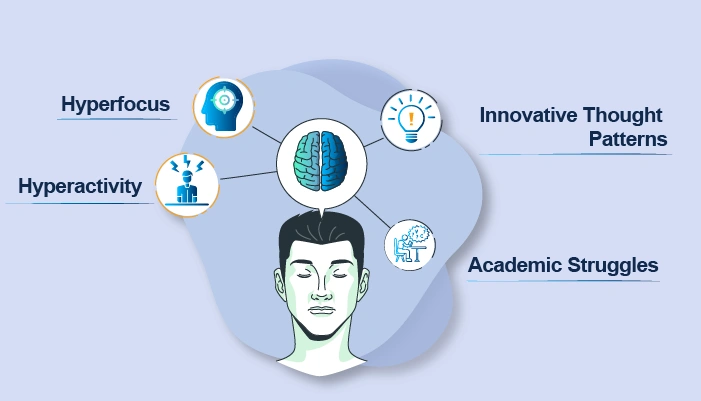
Individuals with ADHD show particular cognitive and behavioural traits that set them apart from those considered neurotypical. ADHD falls into the neurodivergent category. Common traits connected with ADHD include:
Hyperactivity
Individuals with ADHD have increased energy levels. Though it can make it challenging to focus and concentrate, this energy can inspire teenagers to be more driven, passionate, and active.
Hyperfocus
Many people with ADHD find it difficult to focus. People with this condition can become quite focused on one specific thing, completing their tasks more efficiently. However, it causes issues when they want to shift their focus somewhere else.
Innovative Thought Patterns
People with ADHD think differently and uniquely, which helps them generate innovative ideas and solutions.
Academic Struggles
Regular traditional courses are not meant for neurodivergent students, so school can be particularly challenging for those with ADHD.
Many people with ADHD show high levels of creativity, energy, and a creative mind who think out of the box. Being neurodivergent should not be seen as a bad thing or something that makes someone too different. It is only a mind that has developed differently.
Being neurodivergent with ADHD means perceiving the world in a unique way. This perspective emphasizes the unique strengths and challenges associated with ADHD.
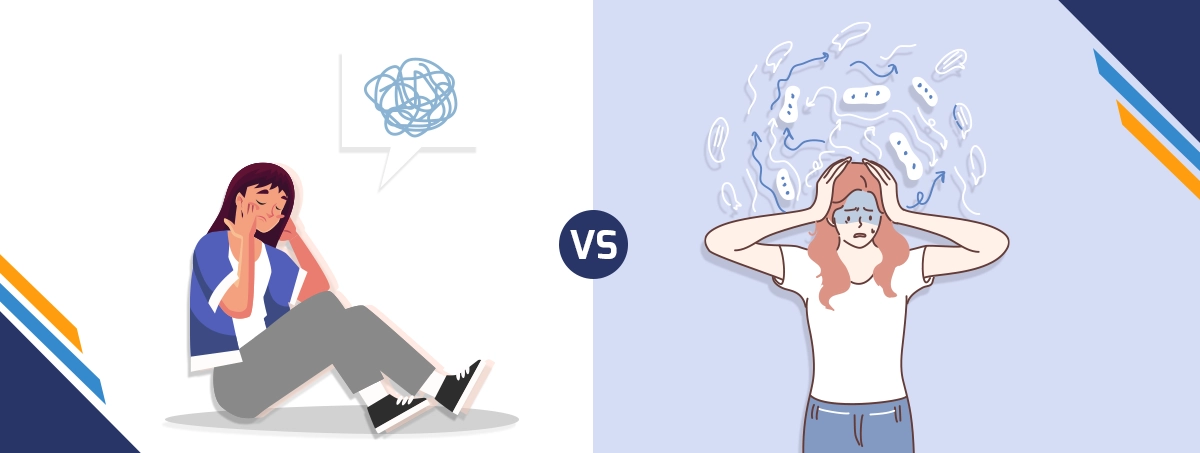
| Neurodiversity | ADHD |
| This concept helps in recognizing and respecting neurological differences as natural variations in the human DNA. | ADHD is viewed as a variation in brain functioning, with its own set of strengths and difficulties, rather than being a deficit. |
Many people with ADHD show high levels of creativity, energy, and a creative mind who think out of the box. Being neurodivergent should not be seen as a bad thing or something that makes someone too different. It is only a mind that has developed differently.
Signs of Neurodivergence
Here are some of the signs of neurodivergence:
- Challenges with social interactions
- sensory sensitivities
- Challenges in managing time
- Attention shifting
Strategies to deal with Neurodiversity
Personalized Approach
Embracing neurodiversity means tailoring treatment and assistance to the individual, recognizing that one size does not fit all.
Strength-Based
Focusing on the abilities and possibilities of individuals with ADHD can help individuals develop more successful approaches for managing challenges.
Labelling ADHD as neurodivergent instead of as a disorder can help individuals to accept their uniqueness and lead their lives in a way that best suits them. It also encourages ADHD treatment and support to adopt a more inclusive and asset-based approach.
Other Neurodivergent Disorders
There are no medical criteria or definitions of what it means to be neurodivergent, other conditions can fall under this term. Individuals who identify themselves as neurodivergent usually have one or more conditions and disorders.
Some of the most common conditions include:
- Autism
- ADHD
- DiGeorge syndrome.
- Down syndrome.
- Dyscalculia (trouble with math).
- Dysgraphia (trouble with writing).
- Dyslexia (reading trouble).
- Dyspraxia (trouble with coordination)
- Intellectual flaws.
- Mental health disorders, including bipolar illness, obsessive-compulsive disorder, and more.
- Prader-Willi syndrome.
- Sensory processing disorders.
- Social anxiety (a particular kind of anxiety disorder).
- Tourette syndrome.
- Williams syndrome.
Reach out to the Advanced Health Preference Group
At Advanced Health Preference Group, we provide customised therapeutic approaches designed to empower individuals. We are here to support you by using the most effective evidence-based practices compassionately. You can find the best mental health solutions that are developed according to the needs of each individual. If you need further help, please feel free to reach out to us for a consultation or to make an appointment. Advanced Health Preference Group is here to support you every step of the way.
Final thoughts
ADHD is a form of neurodivergence, representing one of the many natural variations in how human brains function. Understanding ADHD through the perspective of neurodiversity shifts the focus from deficits to differences, highlighting the unique strengths, creativity, and innovative thinking often found in individuals with ADHD. ADHD, as part of the neurodivergent spectrum, not only empowers individuals to thrive in their own ways but also enriches our understanding of the vast diversity of human cognition.
Read More About: ADHD test for kids and teens