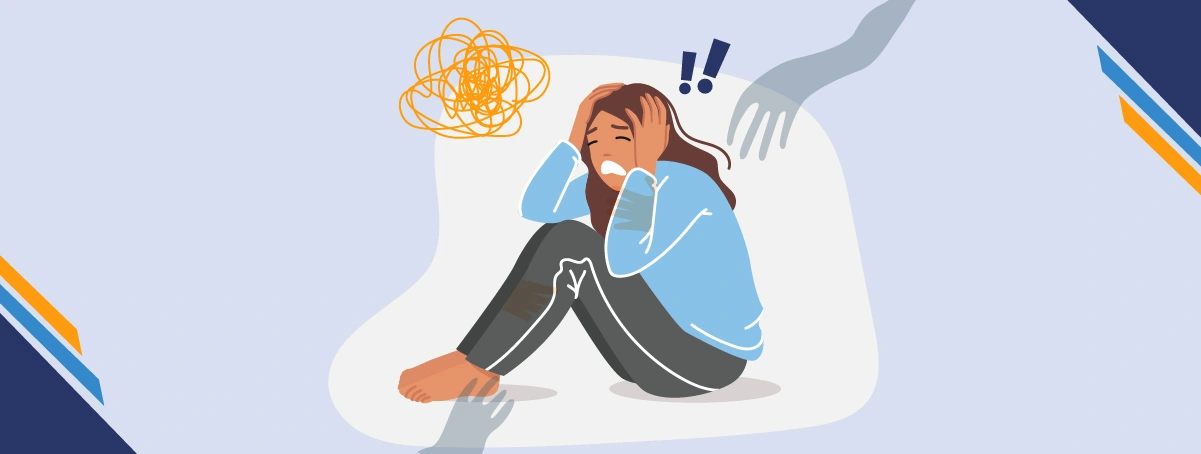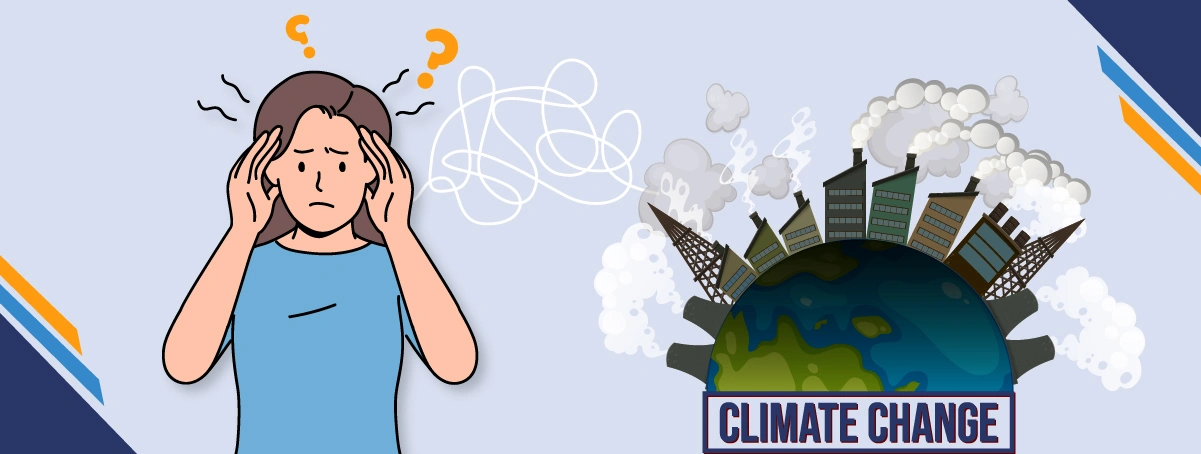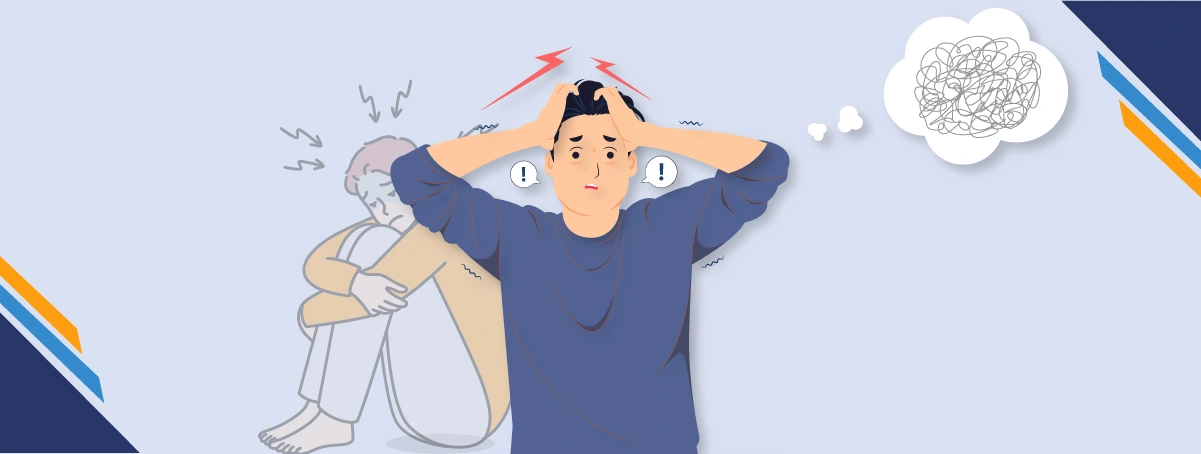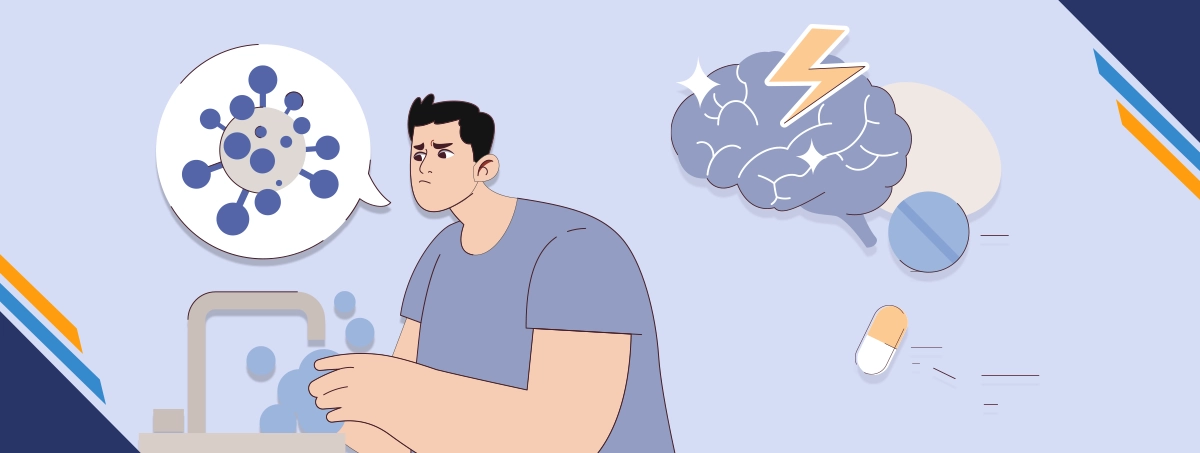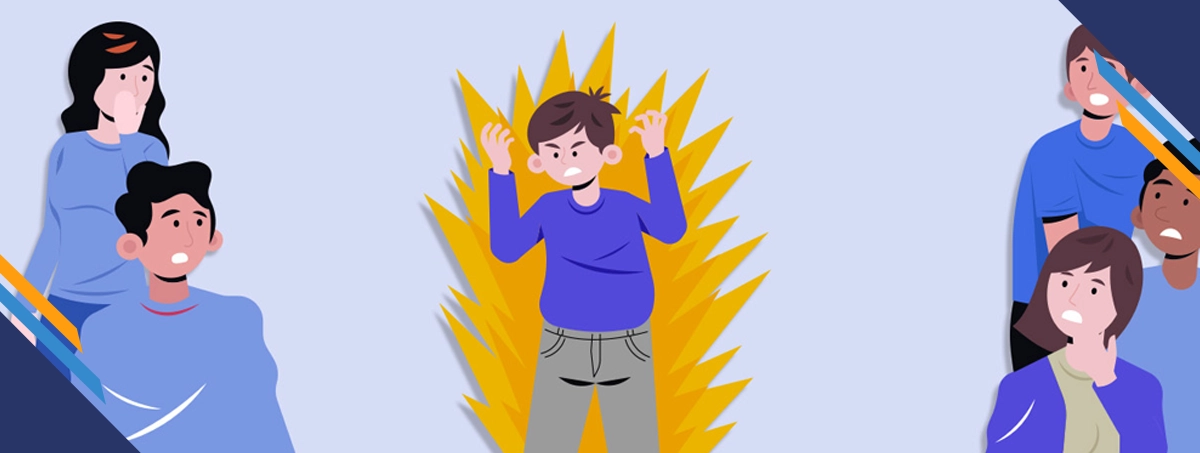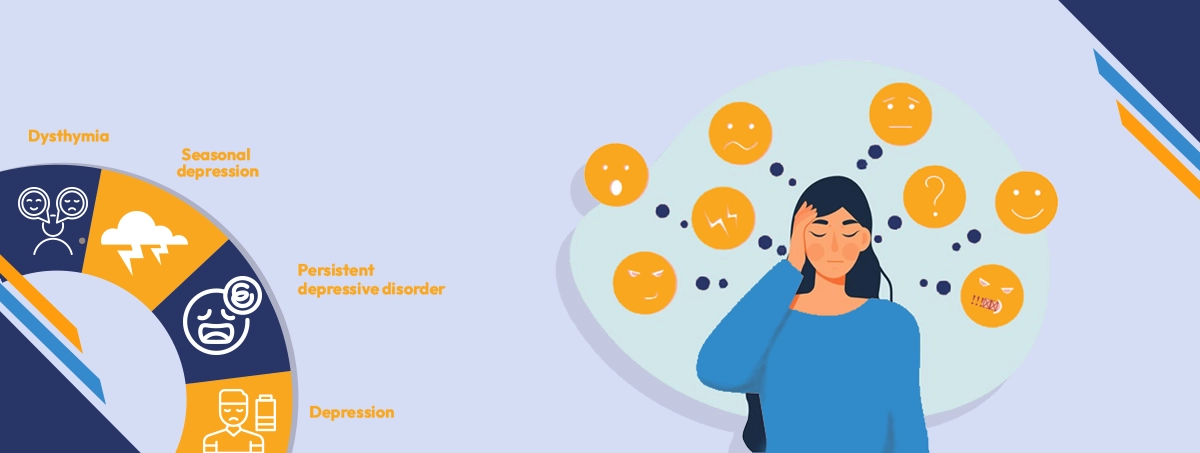


Do you find yourself alarmed by large crowds? Or loud noises like fireworks and drum beats make your heart pound? Do you feel overpowered and perturbed by some smells, while others are unaffected? These unbearable feelings are the reactions to overstimulation.
Overstimulation occurs when you are overwhelmed with sensory information, making it difficult to process everything all at once. It happens because of hypersensitivity to sensory stimuli such as bright lights, loud noises, or certain fabrics or textures. Overstimulation can be different for everyone; irritability, anxiety, and discomfort are the most common feelings during an experience of overstimulation.
The connection between overstimulation and ADHD
ADHD individuals commonly experience overstimulation or sensory overload. People with ADHD have impaired attentional control that makes it difficult to filter out irrelevant sensory information and distractions, causing emotional and physical agony. Those living with ADHD may be more attentive to specific sensory stimuli, get preoccupied by them, or have prolonged exposure to those stimuli, causing overstimulation.
Symptoms of ADHD Overstimulation
With ADHD, the response to overstimulation is escalated. Different people struggling with ADHD show different symptoms of sensory overload. If you have ADHD and are experiencing the following signs, you might be overstimulated and need to identify your triggers to manage this condition:

- Headaches
- Feeling nauseous
- Restlessness
- Heightened anxiety and stress
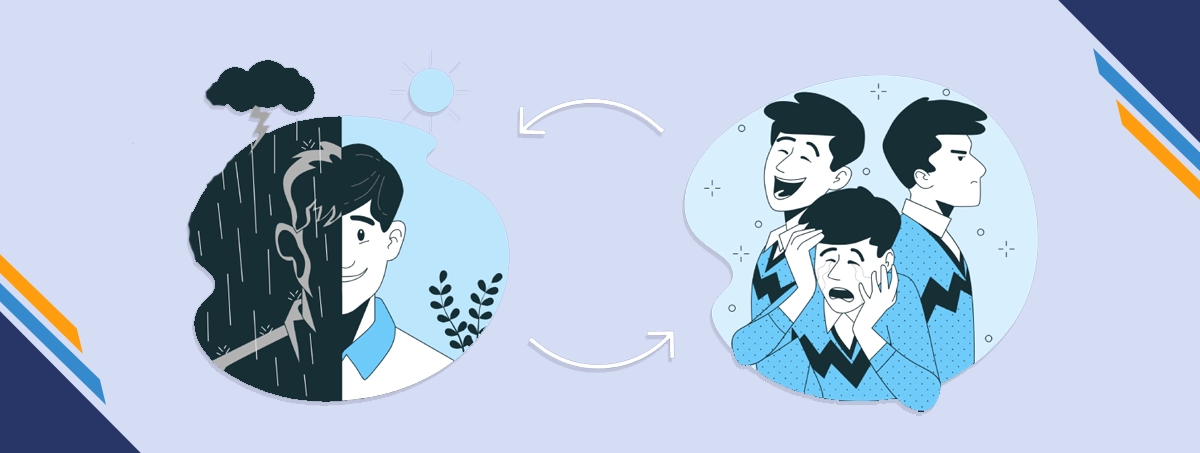
- Irritability and Moodiness
- Sleep problems
- Emotional meltdowns
- Difficulty focusing
- Panic attacks
- Tension in the body
- Anger and outbursts
Causes and Common Triggers of ADHD Overstimulation
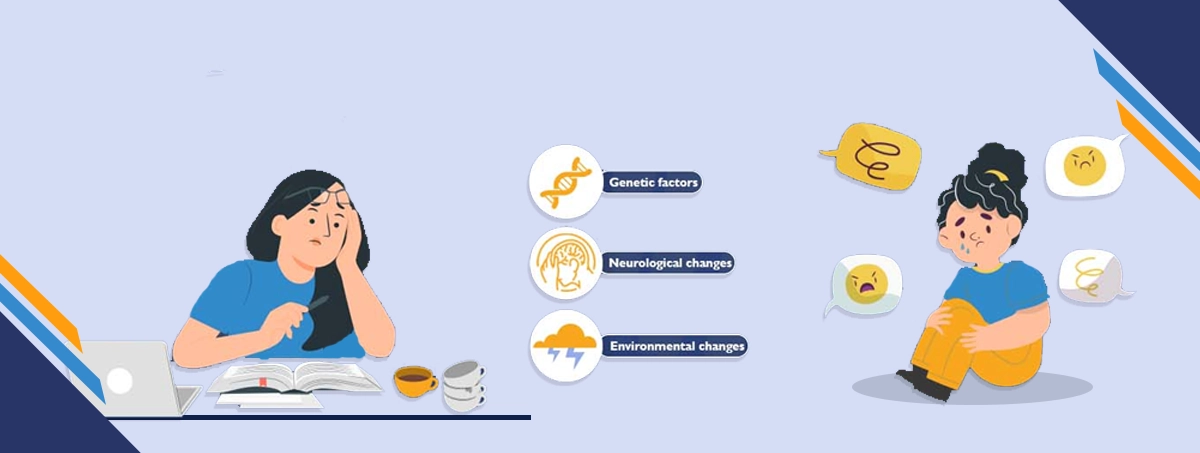
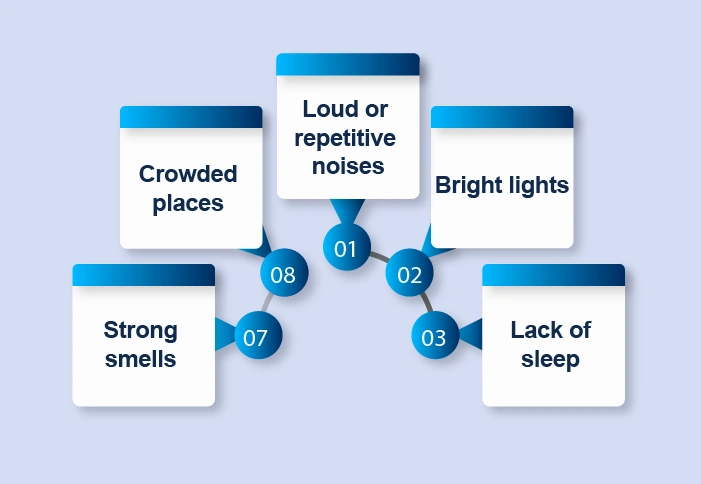
Individuals with ADHD have a lower threshold for sensory inputs. Many types of sensory stimuli trigger overstimulation in people living with ADHD. The most common triggering factors of ADHD overstimulation are:
-
Loud or repetitive noises
If you find yourself getting anxious because of certain noises, or loud noises cause you distress, you are experiencing sensory overload. Loud noises are a common trigger factor for overstimulation, commonly occurring in ADHD individuals.
-
Bright lights
Sensitivity to bright lights is another feature of overstimulation, especially during ADHD. Exposure to bright or flickering lights is known to cause certain negative reactions, such as irritability, migraine, fatigue, and sometimes panic attacks.
-
Crowded places
In this busy and fast-paced world, even walking down a street with noise, lights, and crowds can feel like a stimulating experience. But, overcrowded spaces are also the source of sensitive visual and auditory cues for people with ADHD, leaving them feeling claustrophobic and experiencing a sensation of “crawling out of their skin.”
-
Strong smells
Individuals with ADHD can sometimes feel an assault on their senses, including the olfactory senses, when exposed to certain smells such as perfumes, body odour, and specific foods, causing agitation and anxiety.
-
Tactile Stimulation
Tactile stimulation is when certain textures, temperatures, or other types of physical contact with certain such as fabrics or surfaces, trigger sensory overload. In people with ADHD, this can lead to feelings of emotional discomfort.
-
Multitasking
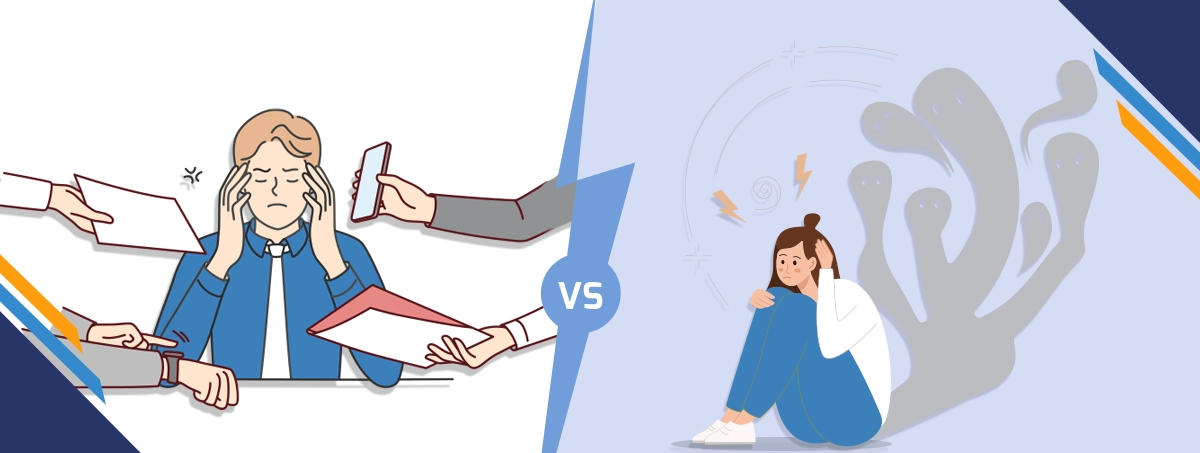
Handling numerous tasks at once can lead to cognitive overload. The brain is overstimulated because of switching between tasks, increasing the production of stress and fight-or-flight hormones, cortisol and adrenaline, respectively, resulting in stress and anxiety.
-
Lack of sleep
Lack of sleep affects the brain’s ability to process sensory information. This can manifest in the form of extreme emotional responses such as anxiety, stress, and panic attacks.
-
Clutter
Sometimes, a chaotic environment can be the cause of cognitive and visual overstimulation. A messy desk, too many open tabs, unwashed dishes, or disarrayed clothes can fuel physiological distress like irritability, moodiness, and confusion.
-
Excessive screen time
Too much screen usage triggers sensory overstimulation in many people because of the visual and auditory information that flows in a fast-paced manner.
Read More: ADHD test for kids and teens
Coping Strategies for Managing and Preventing ADHD Overstimulation
ADHD overstimulation can hinder daily life functioning and overall well-being. Using these coping techniques, you can regulate your sensory response mechanism and attain mental wellness:
-
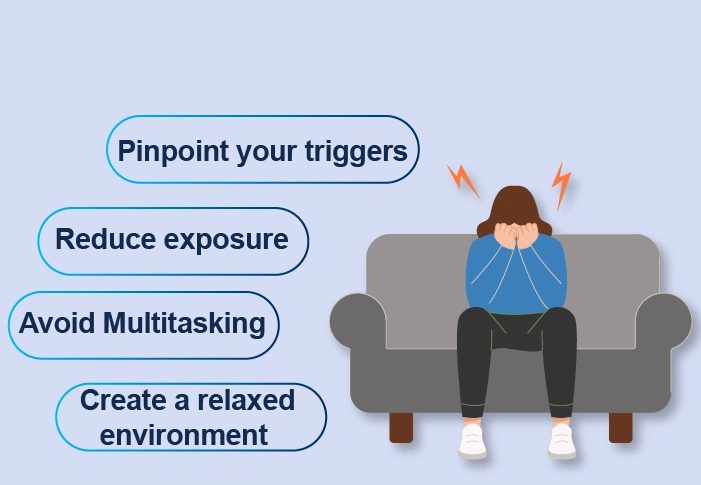
Pinpoint your triggers
This is the most crucial step in managing overstimulation in ADHD. It involves paying attention to your environment and your body, and identifying what sensory stimuli cause changes in your body or mind. Track the threshold stimuli, events, and situations that lie at the root cause of those changes.
-
Reduce exposure
After you have determined your triggers of ADHD overstimulation, try to avoid or limit them. This could include removing yourself from overcrowded places, using noise-cancelling headphones to block background noises, using sensory aids like stress balls or fidgeting gadgets, and carrying neutralizing spray to avoid sharp, pungent smells.
-
Avoid Multitasking
Prioritize tasks by maintaining and organizing a consistent routine to avoid getting overwhelmed. Reducing multitasking and compartmentalizing daily activities with regular breaks can help maintain focus and calm.
-
Create a relaxed environment
Mindfulness and meditation are powerful tools to avoid overstimulation and alleviate anxiety and stress. Practice deep breathing and meditation to achieve a balanced state of mind. It is important to maintain an optimal stimulation atmosphere around yourself to avoid getting both understimulated and overstimulated.
-
Seek professional assistance
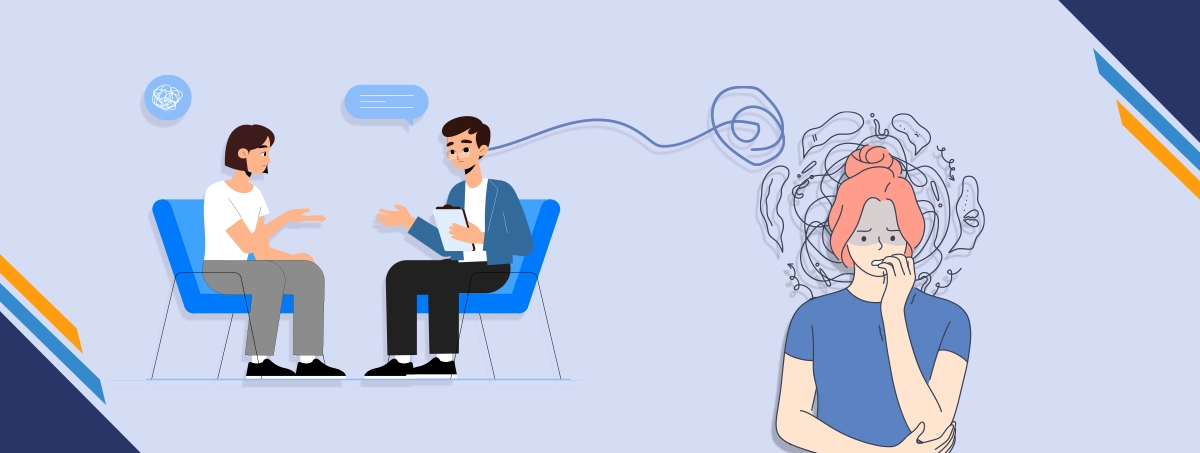
While above mentioned techniques help cope with overstimulation, ADHD overstimulation could sometimes be complicated to deal with. Seeking the support and guidance of a mental health professional is an effective strategy to overcome the symptoms of overstimulation. Psychiatrists offer personalized therapy and medication to manage overstimulation during ADHD. Several therapy options are available to treat overstimulation, including:
- Cognitive Behavioural Therapy (CBT)
- Sensory integration therapy (SIT)
- Occupational therapy (OT)
Concluding Thoughts
ADHD overstimulation is a condition in which an ADHD individual’s brain gets flooded with sensory information, activating various emotional responses such as agitation, impulsivity, and even stress and panic attacks. You can regain an optimum state of mind by minimizing exposure to your triggers, practising mindfulness, and seeking therapy.