

Last updated : July 14, 2026 | Written & Reviewed by Advanced Team
Understanding OCD Therapy: How It Works and What to Expect
Deciding to seek help for Obsessive-Compulsive Disorder (OCD) requires immense courage. For many, experiencing this disorder is a road full of silence, confusion, and the exhausting effort to prevent intrusive thoughts. This disorder is a chronic and sometimes weakening mental condition. But the good news is that effective treatments are available to help reduce symptoms of this disorder. These greatly reduce suffering and possibly experience full relief. While there is no one-size-fits-all treatment plan for people with this disorder, there are many approaches to treating this critical disorder.
Therapies play a necessary role in treating OCD. While medications are beneficial, therapies can reduce the negative thought patterns and behaviors related to this disorder. Engaging in therapy teaches people strategies to manage symptoms and improve their quality of life.
Many people who experience intrusive thoughts and perform repeated actions wonder if they will ever life a normal life. Yes, absolutely. OCD therapies, such as Exposure and Cognitive and Behavioral Therapy, help reduce anxious, distressing thoughts and get relief without performing repeated actions.
Each OCD therapy helps in processing thoughts differently. Some help recognize obsessive thoughts as just “thoughts”. Some train the brain with repeated exposure, gradually decreasing intensity.
In this guide, we will discuss all OCD therapies, from CBT to ERP and ACT, see how each works, and figure out which is more effective. As 7% to 11% of women during pregnancy also experience OCD symptoms, we will also explain how Postpartum OCD Therapy can be beneficial to manage symptoms.
What is OCD Therapy?
OCD therapy is a psychological treatment approach to manage obsessive thoughts and reduce compulsive behavior. Unlike other coping strategies that only provide relief for a short time, therapy focuses on resolving the causes and changing the patterns that trigger the signs.
The main purpose of therapy is not to stop all intrusive thoughts. Everyone experiences unwanted thoughts from time to time in their lives. But therapy teaches people how to react differently to these thoughts so they can’t trigger severe anxiety or compulsive behavior. OCD treatment therapy helps people learn how to prevent letting their thoughts control their actions. They can develop a healthy management mechanism, build strength, and slowly reduce the symptoms.
How Does OCD Develop?
It is significant to understand how obsessive-compulsive disorder develops before discussing significant treatment options. When you experience compulsive behavior, you often get stuck in a cycle:
- Intrusive thought appears.
- This thought pattern creates anxiety, fear, or discomfort.
- You perform a compulsive action to reduce the distress.
- Temporary relief happens.
- Your brain learns that compulsive behavior reduces anxiety.
- The same cycle repeats.
For example, someone may have a continuous fear of pollution. To calm the anxiety, they may frequently wash their hands. While handwashing can reduce their anxiety temporarily, it also supports the belief that pollution is harmful and you have to avoid it. This cycle supports your symptoms. Effective therapies help break this persistent cycle and teach obsessive-compulsive disorder patients how to tolerate uncertainty without relying on compulsions.
What are the Different Types of OCD Therapy?
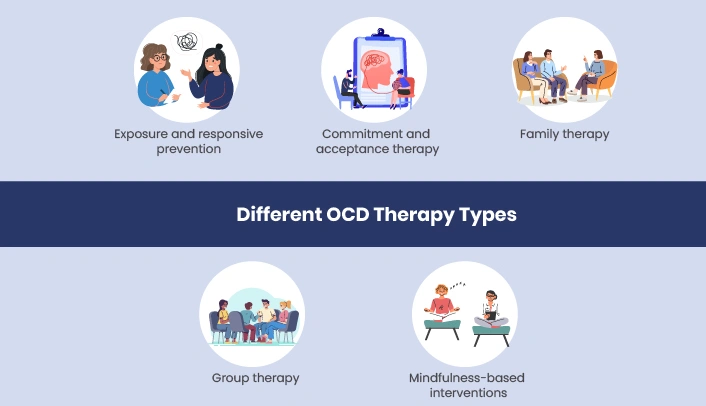
Different individuals may benefit from different approaches depending on symptom severity, personal preferences, and co-occurring conditions. That’s why mental healthcare professionals use various treatment approaches, depending on the condition, to help individuals relax their minds.
Understanding various therapy types can help individuals make informed treatment decisions.
Cognitive Behavioral Therapy for OCD
When we talk about obsessive-compulsive disorder treatment, Cognitive Behavioral therapy is widely recognized. It is the most effective and scientifically supported treatment. Mental health specialists often suggest CBT to treat this disorder. It directly resolves the negative beliefs, thoughts, and behavior that maintain the disorder.
Cognitive Behavioral Therapy (CBT) is a well-structured and evidence-based type of psychotherapy. It helps individuals recognize and change unhealthy thought patterns and behaviors.
CBT focuses on helping individuals with:
- Understanding how the symptoms function in this disorder
- Identifying harmful thought patterns
- It challenges your unreasonable beliefs
- Helps reduce avoidant behavior
- Develops a healthy management mechanism
Mental health providers most often treat obsessive-compulsive disorder with cognitive behavioral therapy that leads to symptom improvement for many individuals.
Exposure and Responsive Prevention (ERP)
ERP is a specialized type of CBT that is considered satisfactory for the treatment of OCD. This treatment approach exposes the patients to the situations that trigger their obsessions. It also prevents them from engaging in compulsive behavior.
For example
Someone with a fear of contamination may touch the door without washing their hands immediately.
A person with compulsive behavior checking may leave their home without repeatedly checking doors, whether they are locked or not.
In this treatment, initially, your anxiety might increase. However, repeated exposure can make your brain learn that fearful outcomes are unlikely to happen, and anxiety will decrease over time naturally. This process is called habituation and is one of the main reasons that ERP treats this disorder effectively.
Commitment and Acceptance Therapy (ACT)
ACT is a type of psychotherapy that helps you understand and regulate your thoughts rather than fighting with them. You will learn to take actions that reflect your personal values. This method is very helpful in controlling obsessive-compulsive disorder signs, such as continuous unwanted thoughts and ritualistic behaviors.
ACT guides individuals to view their thoughts and emotions and avoid getting trapped in them. The main purpose is to transform how one interacts with the presence of negative thoughts. This fundamental change helps decrease the need to engage in compulsive behaviors designed to alleviate anxiety or distress.
How ACT Works
- ACT teaches six core psychological skills:
- Acceptance
- Cognitive defusion
- Present-moment awareness
- Self-as-context
- Values clarification
- Committed action
Rather than attempting to eliminate uncomfortable thoughts, ACT helps individuals recognize that thoughts are simply mental events, not facts or threats.
For example, someone experiencing an intrusive thought may learn to observe it without judgment and continue engaging in meaningful activities despite discomfort.
Many therapists integrate ACT with CBT and ERP to create a comprehensive treatment plan that addresses both symptom reduction and overall psychological flexibility.
Family Therapy
Every person spends most of the time with family. In family therapy, the psychiatrist focuses on resolving the entire family conflict and guides how loved ones’ support can help patients improve their mental wellness and ensure quick recovery.
Group Therapy
Group therapy allows individuals to connect with others facing similar challenges and learn coping skills in a supportive environment.
Mindfulness-Based Interventions
Mindfulness practices can help individuals develop greater awareness and reduce reactivity to obsessive thoughts.
These various therapies for patients may be used independently or in combination, depending on clinical needs.
Why is CBT Best for Obsessive-Compulsive Disorder?
Many experts consider CBT and ERP to be the best therapies for obsessive-compulsive disorder because they target the underlying mechanisms responsible for maintaining symptoms.
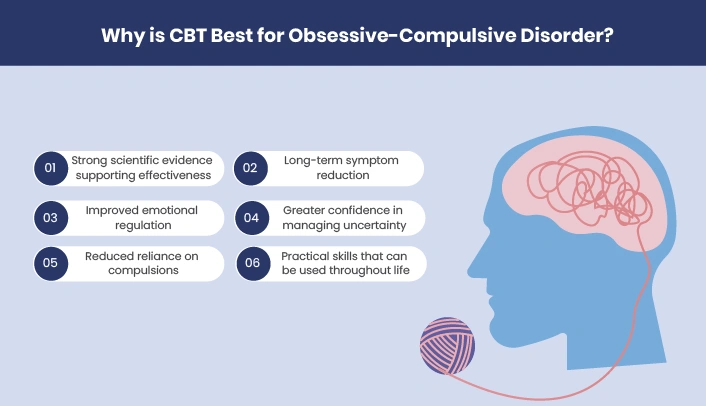
Benefits of CBT include:
- Strong scientific evidence supporting effectiveness
- Long-term symptom reduction
- Improved emotional regulation
- Greater confidence in managing uncertainty
- Reduced reliance on compulsions
- Practical skills that can be used throughout life
Unlike approaches that focus solely on discussing emotions or past experiences, CBT provides actionable strategies that help individuals create measurable changes in daily life.
OCD EMDR Therapy
Another treatment approach that occasionally appears in discussions is EMDR therapy. Eye Movement Desensitization and Reprocessing (EMDR) was originally developed to treat trauma-related disorders such as PTSD.
EMDR involves guided eye movements while processing distressing memories and emotions, which triggers obsessive-compulsive behavior.
Read More: Top 10 Effective Psychotherapies for OCD Treatment
Can EMDR Help OCD?
EMDR may help individuals whose symptoms are connected to traumatic experiences; many mental healthcare practices suggest that ERP and CBT remain more effective primary treatments.
However, some therapists incorporate EMDR as part of a broader treatment plan when trauma plays a significant role in symptom development.
Individuals considering EMDR therapy should consult a qualified mental health professional who specializes in all therapy treatments.
Postpartum OCD Therapy: Specialized Support for New Parents
OCD can happen during pregnancy, called perinatal OCD. And the symptoms can intensify after childbirth. Postpartum therapy helps address intrusive thoughts and compulsive behaviors that occur during the postpartum period.
Common Symptoms of Postpartum obsessions and compulsive behavior include:
- Intrusive thoughts about accidental harm to the baby
- Excessive checking behaviors
- Fear of contamination
- Repetitive reassurance-seeking
- Avoidance of caregiving tasks
These thoughts can be extremely distressing, but they do not indicate that a parent wants to harm their child.
Effective Treatment Approaches
Postpartum therapy for this disorder often includes:
- CBT
- ERP
- ACT
- Psychoeducation
- Family support
Early intervention can significantly improve outcomes and help parents build confidence while caring for their children.
Online Psychiatric Care for OCD
Technology has transformed mental health care, making specialized treatment more accessible than ever before.
Obsessive-compulsive disorder online therapy allows individuals to receive evidence-based treatment from licensed professionals without leaving home.
Benefits of Online Therapy
Many people choose online therapy because it offers:
- Increased accessibility
- Flexible scheduling
- Reduced travel time
- Greater privacy
- Access to specialized experts
Get Therapy Support At Advanced Health Preference Group
Advanced Health Preference Group is one of the most trusted mental healthcare providers in California, offering both in-person and telepsychiatry consultations, diagnosis, therapies, and medication management. If you are struggling with Obsessive-compulsive disorder, we will provide you with a thorough evaluation and personalized therapy to address your condition. Our licensed psychiatrist will teach you coping strategies to overcome mental suffering during therapy sessions.
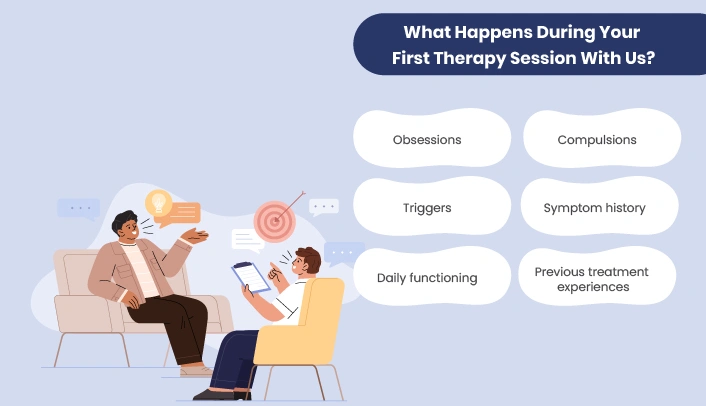
What Happens During Your First Therapy Session With Us?
Your first session at Advanced Health Preference Group is usually focused on gathering information and building a treatment plan.
Initial Assessment
The therapist asks questions about:
- Obsessions
- Compulsions
- Triggers
- Symptom history
- Daily functioning
- Previous treatment experiences
The goal is to gain a clear understanding of your unique challenges and treatment needs.
Treatment Planning
After the assessment, our expert therapist will outline recommendations and discuss treatment goals. They create a roadmap for therapy that aligns with your needs and preferences.
What Progress Can You Expect with Therapy
Successful treatment often includes:
- Reduced compulsive behaviors
- Improved ability to tolerate uncertainty
- Less time spent obsessing
- Increased participation in daily activities
- Better emotional well-being
- Enhanced self-confidence
Progress is typically measured by how much freedom and flexibility a person gains in daily life rather than by the complete absence of intrusive thoughts.
Final Thoughts
Living with OCD can be exhausting, but recovery is possible with the right support and treatment. Whether you’re researching cognitive behavioral therapy for obsessive-compulsive disorder, considering acceptance and commitment therapy, learning about different therapy types, or researching OCD online therapy, understanding your options is the first step toward meaningful change.
For many individuals, treating obsessive-compulsive disorder with cognitive behavioral therapy remains the most effective approach, especially when combined with Exposure and Response Prevention. Other interventions, including postpartum therapy, EMDR therapy, and various supportive treatments, can also play valuable roles depending on individual needs.